
















About PAKEVO
What is PAKEVO?
PAKEVO (Pakistan Energy and Vehicle Oversight) is an independent, multi-stakeholder platform dedicated to accelerating the electrification of transport in Pakistan. It operates at the intersection of energy systems, mobility, climate action, and industrial development, with a focus on creating a coherent and evidence-based transition towards electric mobility.
At its core, PAKEVO serves as a national enabling and oversight platform — not as a regulator, but as a connector. It brings together policymakers, industry stakeholders, researchers, and the public to build alignment, strengthen decision-making, and create a unified national voice around EV adoption. By combining policy engagement, analytics, and public narratives, PAKEVO helps translate complex transitions into actionable pathways.
Our Mission
PAKEVO’s mission is to support Pakistan’s transition to clean transport by enabling policy development, strengthening ecosystem coordination, and promoting data-driven decision-making. It aims to build trust and awareness around electric mobility while ensuring that the transition is aligned with national priorities in energy, climate, and economic development.
Through its work, PAKEVO contributes to accelerating EV adoption, improving air quality, and supporting a more resilient and sustainable energy future.
Policy and Strategic Development
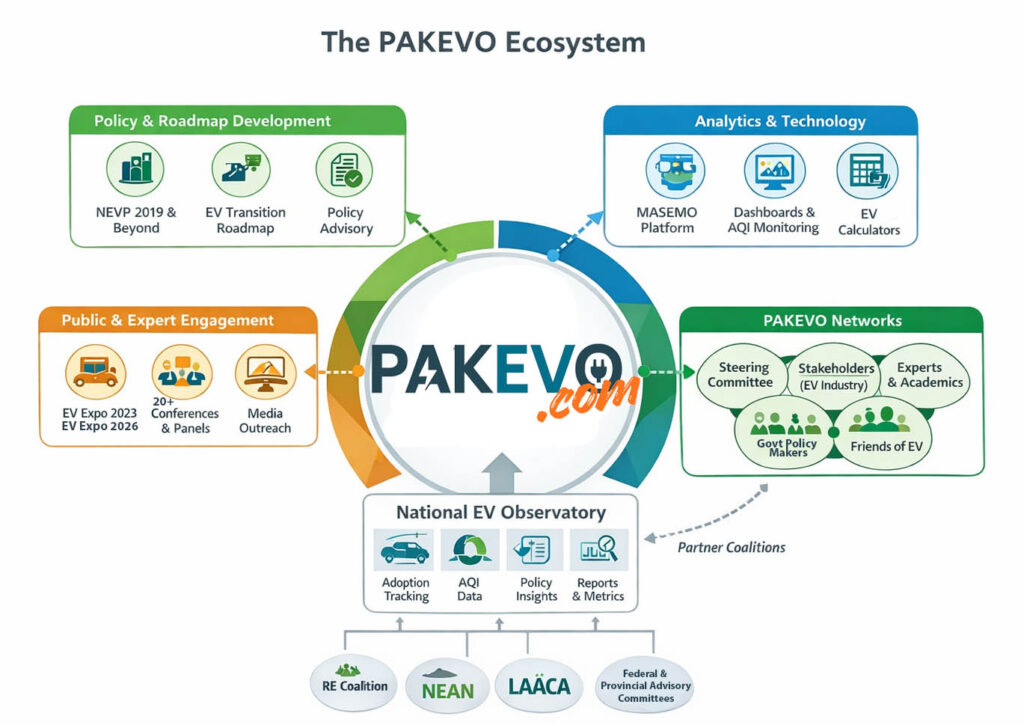
A central pillar of PAKEVO’s work is its engagement in policy and strategic planning for the EV ecosystem in Pakistan. This includes analytical support and contributions to national frameworks such as the National Electric Vehicle Policy (NEVP), including earlier scoping work around NEVP 2019 and ongoing alignment with emerging policy directions.
PAKEVO has also played a key role in the development of the EV and Clean Transport Transition Roadmap (2025–2030), a structured framework that outlines pathways for policy design, financial mechanisms, infrastructure rollout, and industrial ecosystem development. This work is grounded in evidence-based research and incorporates international best practices, while remaining tailored to Pakistan’s institutional and economic context.
Analytics and Technology Platforms
PAKEVO places strong emphasis on the development of analytics and technology tools that support decision-making across the EV ecosystem. A flagship initiative in this area is MASEMO (Mobility and Energy Systems Optimization), an AI-driven platform designed to optimise EV charging infrastructure, improve grid efficiency, and support renewable energy integration through geospatial intelligence.
In addition to MASEMO, PAKEVO develops a range of decision-support tools, including EV cost calculators, energy demand models, and infrastructure planning tools. These are complemented by air quality monitoring and data visualisation systems that link transport emissions to environmental outcomes. Together, these technologies form the foundation for a data-driven approach to policy, planning, and implementation.
Public and Expert Engagement
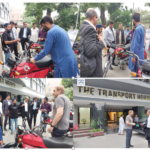
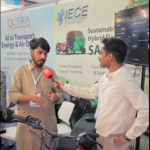
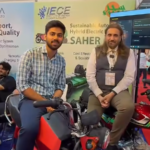
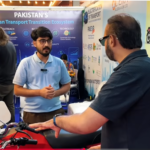
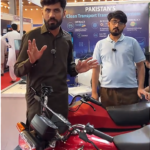
Beyond policy and analytics, PAKEVO actively contributes to shaping public and expert narratives around electric mobility. It has organised large-scale public engagement initiatives such as the EV Expo 2023, which provided an open platform for showcasing electric mobility solutions and technologies.
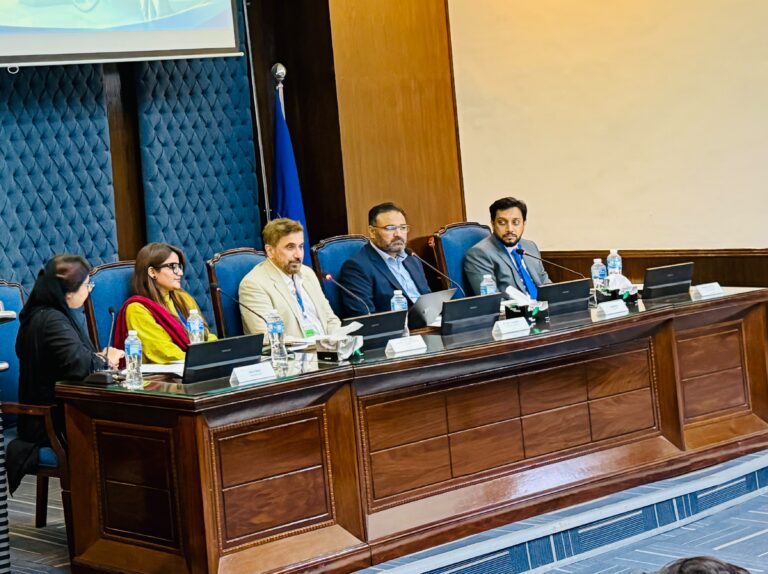
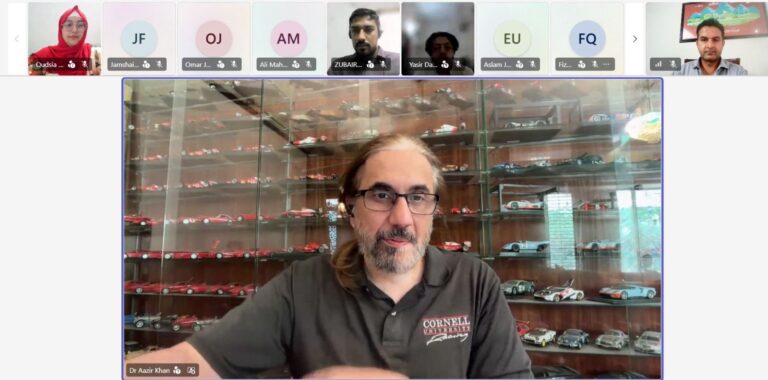
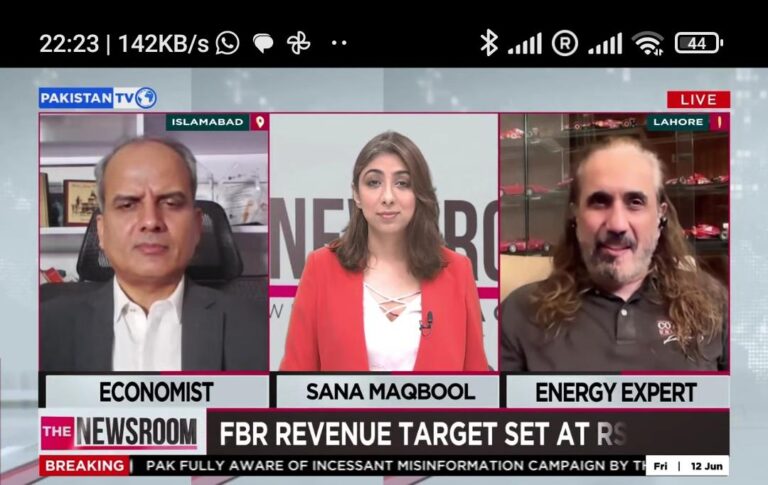
At the expert level, PAKEVO has convened more than five national conferences and over twenty panels, bringing together stakeholders from government, industry, academia, and civil society. These platforms facilitate dialogue, knowledge exchange, and consensus-building, while also helping translate technical discussions into accessible public narratives. Through media engagement and outreach, PAKEVO continues to build awareness and trust in the EV transition.
PAKEVO Network Structure
PAKEVO operates through a structured, multi-layered network that reflects the complexity of the EV ecosystem.
At the core is the Steering Committee, which provides strategic direction and long-term vision. This group is closely aligned with national transport and energy transition efforts and plays a key role in ensuring institutional coherence.
The Stakeholder Group brings together industry participants, including EV manufacturers, assemblers, importers, suppliers, and charging infrastructure providers, as well as actors within the battery and spare parts ecosystem. This ensures that policy and planning are grounded in practical realities and market dynamics.
The Experts and Academic Group consists of researchers, universities, and technical specialists, including collaborations with platforms such as the Lahore Academic Alliance for Climate Action (LAACA). This group supports evidence generation, technical validation, and research-driven insights.
PAKEVO also engages with broader partner networks and coalitions across the energy and climate space, strengthening cross-sector collaboration. Alongside these formal structures, the Friends of EV community provides an open platform for individuals, advocates, and early adopters to contribute to awareness-building and grassroots engagement.
Towards a National EV Observatory
Looking ahead, PAKEVO is evolving into a national observatory platform that will provide real-time visibility into Pakistan’s EV transition. This includes tracking adoption trends, monitoring infrastructure rollout, and generating data-driven insights through dashboards and scorecards.
The observatory will support transparency, accountability, and informed decision-making by enabling structured reporting and feedback loops across stakeholders. It is envisioned as a critical tool for aligning policy, implementation, and public communication in the years ahead.