
















Dr Aazir Khan Featured on Dawn News for Special Episode on Pakistan’s Renewable Energy Transition
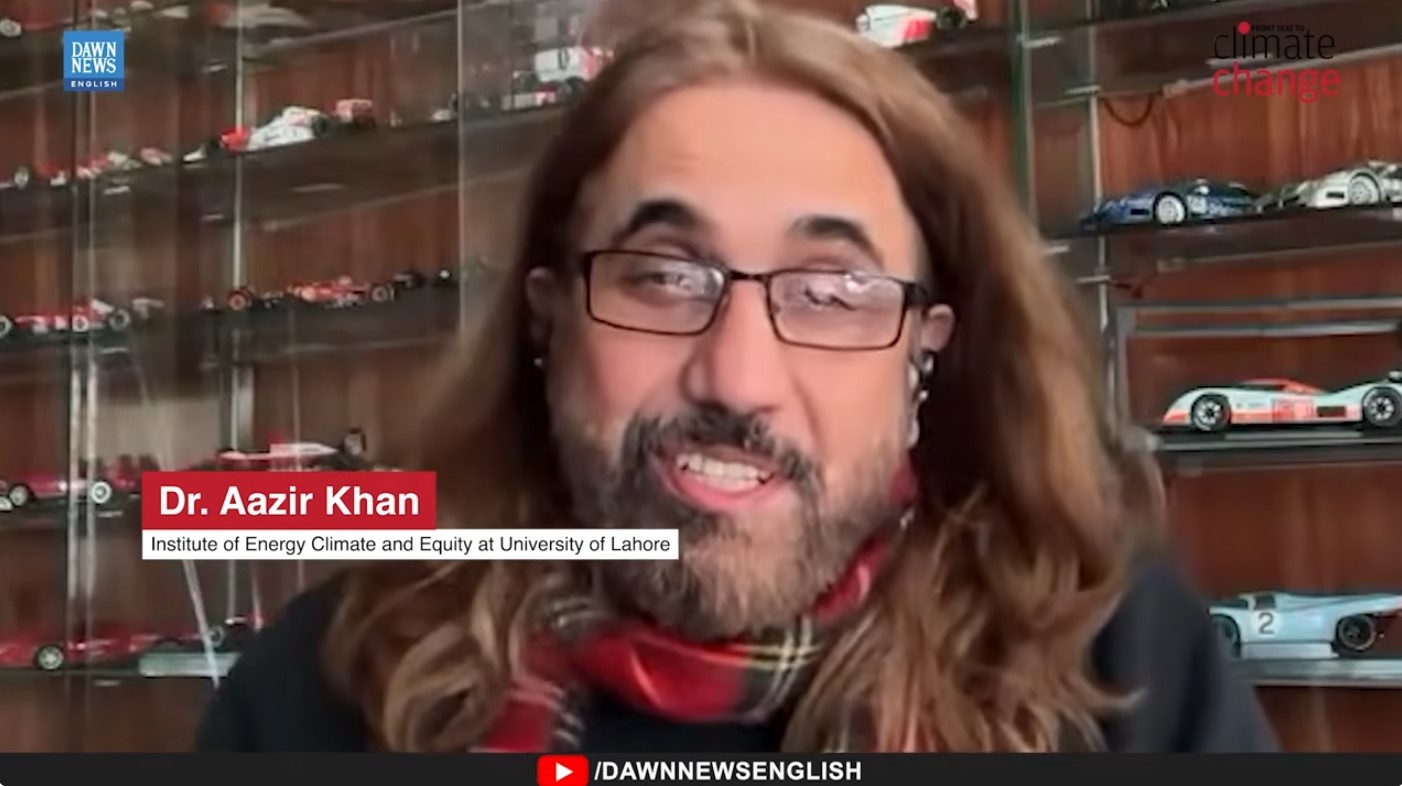
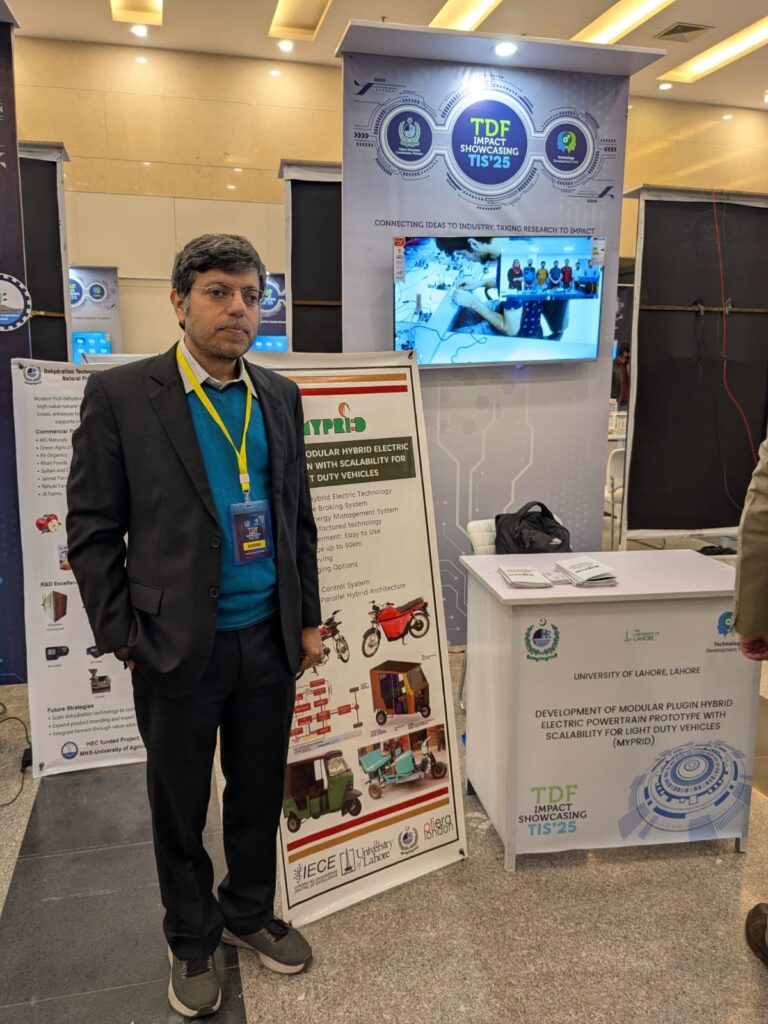
Dr Aazir Khan, Director of the Integrated Engineering Centre of Excellence (IECE) at the University of Lahore, was recently featured as a guest on Dawn News English in a special televised discussion on Pakistan is evolving energy transition on 3rd February, 2026. The interview aired as part of the programme Front Seat to Climate Change and Breathe Pakistan, hosted by renowned journalist MahiMahin Azamn.
The episode focused on the challenges and opportunities facing Pakistan as it accelerates the adoption of renewable energy technologies in response to climate change, energy security concerns, and rising economic pressures on the power sector.
During the discussion, Dr Khan reflected on Pakistan’s current position within the global renewable energy transition, highlighting that while the country possesses strong natural advantages including abundant solar irradiation, significant wind corridors, and major hydropower potential scaling clean energy requires sustained policy clarity, grid readiness, and investment confidence.
Responding to questions on solar power expansion, Dr Khan discussed the structural barriers Pakistan faces in translating its solar potential into large-scale deployment, including transmission constraints, financing challenges, and regulatory uncertainty. He also drew comparisons with countries such as India and Morocco, where long-term planning frameworks and stable investment mechanisms have enabled rapid solar growth.
On wind energy integration, Dr Khan emphasized the promise of Pakistan’s Sindh wind corridor, noting that the key requirement is improved grid flexibility, forecasting capacity, and transmission expansion. He referenced international lessons from Denmark and China, where wind energy has become a backbone of national electricity supply through coordinated infrastructure development.
The interview also addressed the future sustainability of hydropower under changing climate conditions. Dr Khan underscored the importance of treating hydropower not only as a source of generation, but as a strategic flexibility resource, particularly as rainfall patterns and water availability become increasingly uncertain.
Finally, Dr Khan highlighted the critical role of enabling policy frameworks and institutional reforms in supporting renewable energy growth, stressing that Pakistan’s transition must be guided by integrated planning, market modernization, and collaboration between government, academia, and the private sector.
The University of Lahore and IECE remain committed to advancing research, policy support, and innovation in clean energy systems, contributing actively to Pakistan’s pathway toward a resilient, low-carbon future.
The full interview is available online: